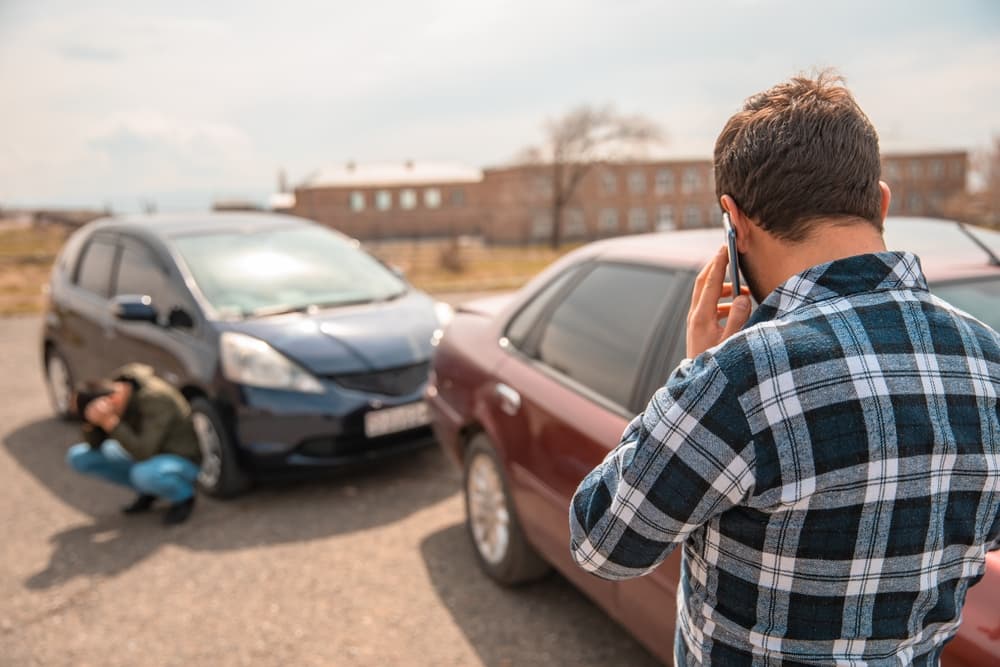
Check for injuries, call 911, and document the scene before anything gets moved or repositioned by anyone. Those three actions, done in the first few minutes after a crash, protect your health and your legal case more than almost anything else you’ll do afterward. The rest of this guide walks through exactly what to do after a car accident in Indianapolis, from the moment it happens through the point where a lawyer’s involvement actually starts to matter.
Key Takeaways
- Checking for injuries and calling 911 immediately matters even when a crash seems minor at first glance.
- Photographing the scene, the vehicles, and any visible injuries early preserves evidence before traffic or weather changes it.
- Exchanging information with the other driver is necessary, but discussing fault or giving detailed statements at the scene is not.
- A prompt medical visit within a day or two creates documentation tying an injury to the crash date, even when symptoms aren’t yet noticeable.
- Notifying an insurance company promptly matters, though details are best kept limited until the full scope of the crash is understood.
- Legal involvement before signing a settlement or giving a recorded statement tends to preserve more options than waiting until afterward.
1. Get to Safety and Check for Injuries First
If your car is drivable and currently blocking traffic, move it to the shoulder or a nearby parking lot right away. On a busy stretch like I-465 or the North Split interchange, staying in an active lane creates a second collision risk that’s just as dangerous as the first one. If the car won’t move or someone is seriously hurt, leave it where it is and turn on your hazard lights instead.
Check yourself and any passengers for injuries carefully before doing anything else. A lack of obvious pain in the first few minutes after a crash doesn’t mean nothing is wrong. If anyone is bleeding heavily, unconscious, or showing signs of a serious injury, say so clearly when you call for help so responders know what they’re walking into.
2. Call 911, Even When the Crash Seems Minor
Call 911 for any crash involving injury, disability, or damage that looks like it could exceed $1,000, which covers the overwhelming majority of accidents. Indiana law requires drivers involved in a crash to stop and provide assistance, and calling 911 gets that assistance moving while also creating an official record of what happened.
An officer’s crash report becomes one of the most important pieces of evidence you’ll have later, documenting the time, location, involved vehicles, and often an initial assessment of what happened. If IMPD doesn’t dispatch an officer to the scene for a minor crash, you can still file a report through IMPD’s non-emergency line at (317) 327-3811 or through the department’s online reporting system, and it’s worth doing even when officers suggest it isn’t strictly necessary.
3. Document the Scene Before Anything Gets Moved
Once you’ve confirmed everyone’s safety, start taking photos before vehicles get moved or repositioned by police. Capture wide shots showing where each vehicle ended up, then close-ups of the damage to every vehicle involved, including angles that show how the impact happened. A short video walking around the scene, narrating what you see as you go, can also capture details a handful of still photos might miss.
Photograph the road itself: skid marks, debris, traffic signals, posted speed limits, and any visible hazards like potholes or standing water that might have contributed. Take pictures of any visible injuries too, even minor ones, since bruising and swelling that looks mild at the scene can look very different, and matter a lot more, a few days later. If it’s dark or the weather is bad, note that as well, since lighting and road conditions often come up when fault gets disputed.
4. Exchange Information With the Other Driver
Get the other driver’s name, phone number, address, driver’s license number, license plate, and insurance company and policy number. Take a photo of their insurance card and license directly if they’re willing, since a photo is harder to get wrong than handwritten notes exchanged in a stressful moment.
Keep this exchange brief and factual. You don’t need to discuss who caused the crash, apologize, or speculate about what happened, even if you’re trying to be polite. Saying something as simple as “I’m sorry” can later get characterized as an admission of fault, a statement suggesting you believe you caused the crash, even when it was just a reflexive response to a stressful situation.
5. Talk to Witnesses While They’re Still There
Independent witnesses can matter enormously if fault later becomes disputed, and they tend to disappear from the scene within minutes once the immediate excitement passes. If anyone saw the crash and is willing to stick around, get their name and phone number before they leave, even if a police officer is already on the way to take statements.
A witness who saw the other driver run a red light or merge without signaling properly adds a perspective that neither driver can provide about themselves. Even a witness who only saw part of the crash, like the moment right before impact, can end up being useful later, so don’t assume a partial account isn’t worth collecting.
6. What Should You Avoid Saying at the Scene?
Avoid detailed statements about how the crash happened beyond the basic facts an officer needs for the report. Adjusters and even opposing drivers sometimes review police reports and any recorded comments closely, looking for anything that shifts blame away from their side, so it’s worth being deliberate about what you say in the moments right after a crash.
Avoid posting about the crash on social media as well, even a simple check-in or a photo, since insurance companies and opposing attorneys routinely review social media during a claim. A casual post meant to let friends and family know you’re okay can end up being read as evidence about your physical condition or the severity of the crash.
7. Do You Need to See a Doctor Even If You Feel Fine?
Yes, and this step gets skipped more often than any other on this list. Some injuries frequently don’t produce noticeable symptoms until a day or two after a crash. Waiting to see whether something feels wrong before getting checked out means losing the early medical documentation that ties your injury directly to the crash.
If you didn’t go to the emergency room immediately, schedule an appointment with your regular doctor or an urgent care clinic within a day or two regardless of how you feel. This isn’t just about your health, though that matters most. It’s also about creating a medical record close to the date of the crash, since insurance companies routinely argue that a gap between the crash and your first treatment means the injury came from somewhere else.
8. How Do You Notify Your Insurance Company the Right Way?
Report the crash to your own insurance company promptly, typically within 24 to 72 hours depending on your policy’s requirements. Stick to the basic facts: when and where it happened, who was involved, and whether anyone was injured, without speculating about fault or downplaying how you feel physically.
Be cautious if the other driver’s insurance company calls before you’ve spoken with anyone about your case. You’re not obligated to give them a recorded statement right away, and anything you say can end up used to minimize what they eventually offer. It’s reasonable to tell them you’ll follow up once you’ve had a chance to fully assess your injuries and talk to your own insurer first.
Keep in mind that Indiana Code 34-11-2-4 generally gives you two years from the date of the crash to file a lawsuit if a fair settlement doesn’t come together, so there’s no need to rush into accepting an early number out of fear that time is about to run out. That deadline exists in the background of every conversation with an insurance company, and understanding it removes a lot of the pressure to decide quickly.
9. When Should You Contact a Car Accident Lawyer?
Reach out to a lawyer as soon as an injury is involved, fault becomes disputed, or an insurance company denies your claim or offers less than your medical bills. Waiting until after you’ve already given a recorded statement or accepted an early settlement offer limits what a lawyer can do to improve your outcome, so earlier is almost always better than later, even when the case still feels manageable on your own.
Even a straightforward-looking crash can turn complicated once an injury doesn’t heal on the expected timeline or an insurer starts arguing about fault percentages. Brandon Yosha and the team at Yosha Law have spent decades handling exactly these disputes in Marion Superior Court and courts across the state. A free consultation costs nothing and gives you a clear read on whether your specific situation needs legal help or whether you can reasonably handle it yourself.
Common Mistakes People Make After an Indianapolis Car Accident
The most common mistake is accepting a quick settlement offer before finishing medical treatment, since the true cost of an injury often isn’t clear for weeks. A close second is failing to document the scene thoroughly, which leaves a case relying entirely on a police report and each driver’s memory of what happened.
Many people also wait too long to see a doctor, assuming minor soreness will resolve on its own naturally, only to discover weeks later that the injury required treatment they now have to justify to a skeptical insurance adjuster. Each of these mistakes is avoidable simply by following the sequence above in the hours and days right after a crash.
FAQs: What to Do After a Car Accident in Indianapolis
Here are answers to a few more specific questions people ask about handling the aftermath of a crash.
What if the other driver refuses to exchange information?
Get their license plate number and vehicle description, and let the responding officer document as much as possible directly in the police report. Indiana Code 9-26-1-1.1 requires drivers to exchange this information, and a refusal to do so can itself become relevant if the case moves forward.
Should I move my car if it’s blocking traffic?
Generally yes, if the crash caused only property damage and no one is seriously hurt, since Indiana law expects you to clear the roadway when it’s safe to do so. If the crash involved a serious injury or fatality, leave everything in place and wait for police unless staying creates an immediate danger.
How soon do I need to get a police report after the crash?
If an officer responded to the scene, the report is typically available within a few business days through Indiana’s online BuyCrash system, maintained by the Indiana State Police. If police weren’t dispatched, you can still file a report through IMPD’s citizen reporting system afterward.
What if I wasn’t sure whether to call 911 and didn’t?
You can still file a report after the fact through IMPD’s non-emergency line, and it’s worth doing even if some time has passed. The sooner you do it after realizing the report is missing, the more accurate the details will be.
Does having a clear-cut case mean I don’t need a lawyer?
Not necessarily. A clear liability picture doesn’t guarantee the insurer offers full value for the damages, especially with a serious injury or a policy limit that falls short of the actual cost. Fault being obvious and a case being fully valued are two different questions.
Can I still file a claim if I already talked to the other driver’s insurance company?
Yes, an earlier statement doesn’t prevent a claim, though it’s worth being careful about anything already shared. A lawyer can review what was said and address any inconsistencies before they affect the case.
Talk to Yosha Law After Your Indianapolis Car Accident
These steps protect both your health and your case, but they don’t replace knowing what your claim is actually worth once the dust settles and the medical bills start arriving. Yosha Law has spent more than 60 years helping injured Hoosiers turn the evidence gathered in those first hours into fair settlements and, when necessary, jury verdicts. Call (317) 334-9200 any hour of the day, and we’ll walk you through what comes next.