Who can be held liable for a truck accident in Indiana? More than one party usually is. After a truck accident in Indianapolis, a truck accident lawyer investigates the trucking company, preserves black-box and logbook evidence before it disappears, and identifies every liable party, which can include the driver, the carrier, a cargo loader, or a maintenance contractor.
Yosha Law has built its practice around cases exactly like this, taking on trucking companies and their insurers instead of settling for whatever number gets offered first. If you’re searching for a truck accident lawyer in Indianapolis right now, the trucking company’s insurer is likely already reviewing the file on their side.
Founded in 1963 by Buddy Yosha and now led by his son Brandon Yosha, our firm has spent decades turning down early offers in catastrophic injury cases and taking them to a jury instead. If a semi-truck, box truck, or tractor-trailer crash on I-465, I-70, or anywhere else in Indianapolis left you injured, call (317) 334-9200 for a case review any hour of the day.
Why Truck Accident Cases Take a Different Approach
A truck accident case isn’t a bigger version of a car accident claim. It’s a different kind of case entirely, governed by federal trucking regulations that don’t apply to ordinary drivers, built on evidence that starts disappearing within days, and often defended by a trucking company’s insurer and legal team before the injured person even leaves the hospital. Treating it like a routine car crash claim is one of the fastest ways to lose real value in a case this serious.
Call (317) 334-9200 for a free, obligation-free consultation.
.
Indianapolis Sits at the Center of the Freight Map
Indianapolis calls itself the Crossroads of America for a reason. I-65, I-69, I-70, and I-74 all converge here, and I-465 rings the city and funnels that traffic through interchanges like the North Split downtown. Indianapolis International Airport is home to FedEx’s largest hub outside its Memphis SuperHub, processing over 100,000 packages an hour during peak periods and feeding a steady stream of trucks onto the surrounding highways day and night.
The warehouse corridor around Plainfield and the airport’s west side runs some of the heaviest commercial traffic in the state, and that density means more chances for a fatigued driver, an overloaded trailer, or a rushed delivery schedule to end in a serious crash. Add in construction zones that regularly reshape lane patterns along I-465 and I-70, and even an experienced local driver can be caught off guard by a truck merging where it normally wouldn’t.
When a fully loaded semi collides with a passenger vehicle at highway speed, the outcome is rarely a fender bender. It’s often a catastrophic injury that reshapes a family’s finances for years.
Does Federal Law Give You an Advantage in a Truck Accident Case?
It can, if the evidence gets pulled before it disappears. The Federal Motor Carrier Safety Administration’s hours-of-service rules under 49 CFR Part 395 cap driving time at 11 hours within a 14-hour on-duty window, following 10 consecutive hours off duty. A driver who blew past that limit before a crash was operating in violation of federal law, and that violation can support a claim that the carrier allowed unsafe conditions on the road.
Cargo securement rules under 49 CFR 393.100 require that cargo be loaded and secured to prevent it from shifting, leaking, or falling from the vehicle, and a violation here often points to negligence by whoever loaded the trailer rather than the driver. Weight limits matter too, since an overloaded truck takes longer to stop and handles differently in a turn, and a carrier that ignored posted limits can face liability for that decision alone.
Get a Free Consultation With an Indianapolis Car Accident Lawyer from Yosha Law
To get your free consultation with an Indianapolis car accident lawyer, reach out to us online or call 317-334-9200. We are available 24/7 to take your call, and we are ready to help you move forward after a wreck.
A Trucking Company May Share Responsibility for Your Accident in Indianapolis
One important but often overlooked in accidents involving trucks is the proper identification of liable parties. A trucker who causes an accident is to blame for the incident. And their insurance company protects the driver from much personal liability.
However, in some situations, a trucking company may share the blame. This is because of the concept of law called respondeat superior. In short, this law states that employers are responsible for the negligent acts of their employees while those employees are performing work duties. As a result, if a trucker was on the clock when a collision occurred, it is likely that their employer is jointly liable. This may not always be true.
The specific damages and amounts you can recover will depend on the details of your case. An Indianapolis car accident attorney from Yosha Law can help you identify and pursue all applicable damages to maximize your compensation.
Many truckers are independent contractors who own their own vehicles. In these situations, that trucker and their insurance company are the sole potential defendants.
It is essential to be able to make this determination quickly. Indiana Code § 34-11-2-4 says that there is a strict two-year time limit on claims for compensation following truck accidents. A knowledgeable Indianapolis truck accident lawyer could help to identify all possible defendants and file insurance claims and lawsuits within the statute of limitations.
What Black Box and Logbook Evidence Reveals After a Crash
Commercial trucks carry more electronic evidence than most people realize. The electronic control module, often called the black box, captures speed, braking, and throttle data in the moments before a crash, while electronic logging devices record hours behind the wheel. Together, this data can show whether a driver braked in time, was speeding, or had been on the road far longer than federal law allows.
That evidence doesn’t last long. ELD records are typically retained for only six months, and black box data can be overwritten the next time the truck operates or gets serviced.
A spoliation letter, sent quickly to the carrier, its insurer, and any telematics vendor, creates a legal obligation to preserve that data before it’s gone, and carriers that destroy it afterward can face real consequences in court. Waiting even a few weeks to bring in an attorney can mean the most important proof in the case never gets recovered.
What Happens After You Hire an Indianapolis Truck Accident Lawyer
The first move is preservation, not paperwork. A spoliation letter goes out to the carrier, the insurer, and any third-party vendors within days of being retained, demanding that black box data, driver logs, dispatch records, and maintenance files stay intact. From there, an investigation builds out who was actually responsible, since a trucking case often involves more moving parts than a standard crash.
Once liability is clear and your medical treatment reaches a stable point, we prepare a demand package that reflects the true scope of a catastrophic injury, not just the bills accumulated so far. If the insurance company won’t offer a fair number, we file suit and prepare the case for Marion Superior or Circuit Court, continuing to build toward trial rather than settling for a number that doesn’t match what happened.
How Much Is a Truck Accident Case Worth?
Truck accident injuries tend to be severe because of the size and weight difference between a commercial vehicle and a passenger car, and the damages calculation has to reflect that. Economic damages include past and future medical care, lost income, and reduced earning capacity for someone who can no longer do the same job. Non-economic damages cover pain and suffering, loss of independence, and the toll an injury takes on daily life.
Indiana’s comparative fault law under Indiana Code 34-51-2-6 allows recovery as long as your share of fault is 50% or less, though your total gets reduced by that percentage. Trucking companies and their insurers often try to shift blame onto the other driver in a crash, which is exactly why strong black box and ELD evidence matters so much in protecting the full value of a claim.
Recent Results From Our Team
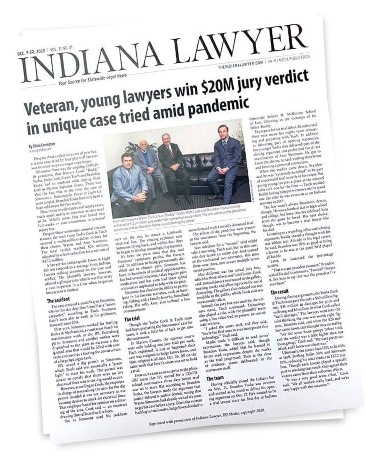
Brandon Yosha has built a record of turning weak insurance offers into results that reflect the real cost of a catastrophic injury. A $50,000 pre-trial offer in one case became a $20.3 million verdict once a jury heard the full story, and a $5,000 insurance offer in another case became a $10 million verdict.
In a separate case, an insurer offered nothing before trial, and the case ended in a $6.2 million settlement once the full picture came out, while a $300,000 offer in another matter grew into a $7.5 million verdict after the firm refused to settle for less than the injury was worth. Across the firm’s history, this pattern holds in more than 100 verdicts that beat what the insurance company offered before trial.
How Long Do You Have to File a Truck Accident Lawsuit in Indiana?
In most cases, Indiana Code 34-11-2-4 gives you two years from the date of the crash to file a lawsuit. That deadline applies whether the case eventually settles or goes to trial, and Indiana courts rarely extend it once it passes.
The legal deadline isn’t the only clock running. Black box data, dashcam footage, and driver logs can disappear in weeks, long before the two-year filing window closes, which is why reaching out to a lawyer early protects both the evidence and the case itself.
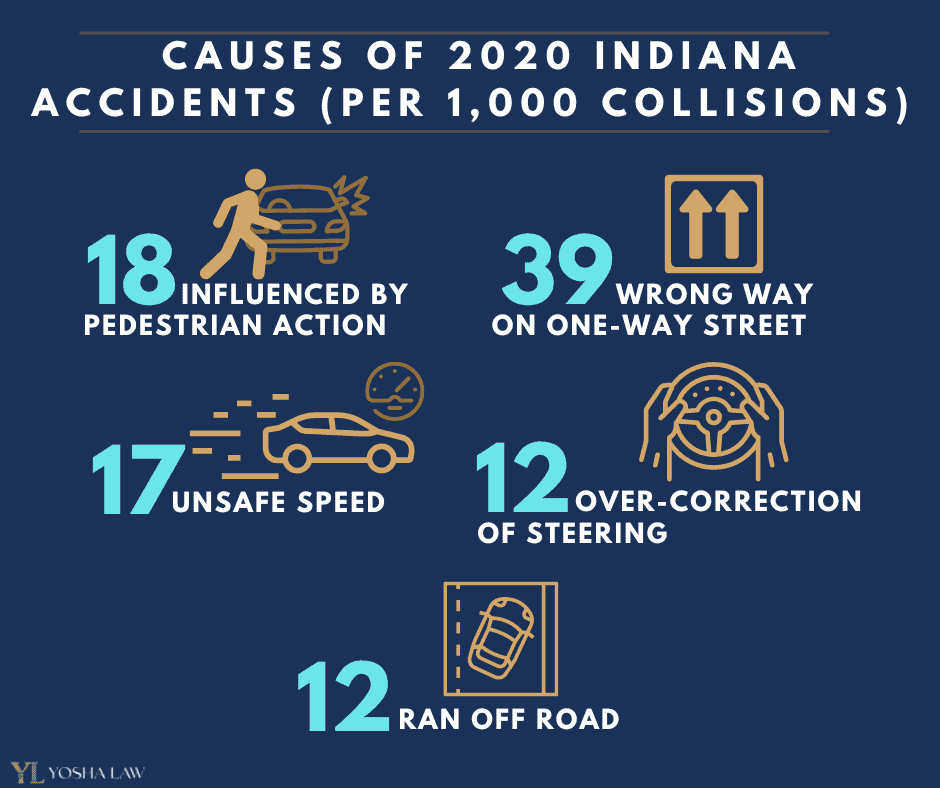
- Source: in gov site, p53
The most common cause of truck collisions in Indiana is truck driver error. This covers a range of actions, including:
Fatigued driving

Drunk or drugged driving
Speeding or reckless driving

Distracted driving

Lack of experience or qualification as a truck driver

Failing to compensate for adverse road conditions

Failing to check blind spots

Attempting a dangerous turn or maneuver
Lack of truck maintenance or inspection that leads to malfunction of brakes, tires, lights, windshield wipers, or other parts that may lead to an accident

Improperly loaded cargo that shifts or may even fall off of open truck beds

Faulty parts such as defective brakes or tires that malfunction and lead to a crash

Adverse road or weather conditions such as potholes, missing dividers, road construction debris, inadequate signage, rain, sleet, or snow can lead to a crash.
Knowing the cause of a truck accident can contribute to safer driving in the future, but it’s also crucial for helping determine liability in a personal injury case. Your seasoned truck accident attorney needs to know what caused the accident so they can name the liable parties in your claim and increase the chances you’ll receive compensation for your injuries.
Truck Accident Statistics in Indiana
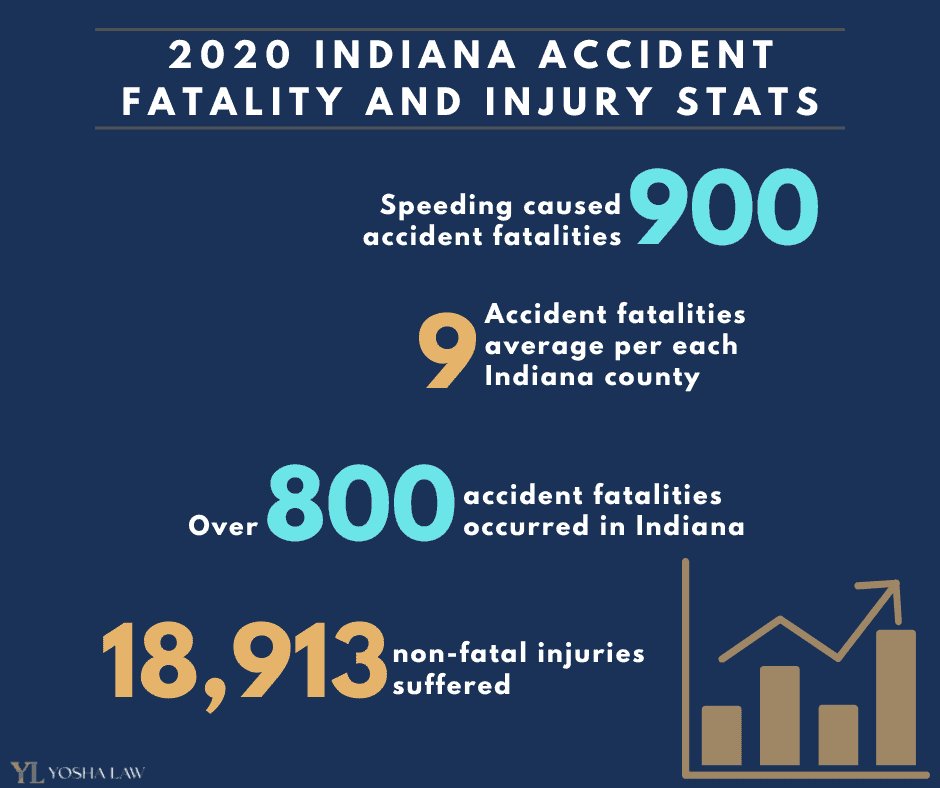
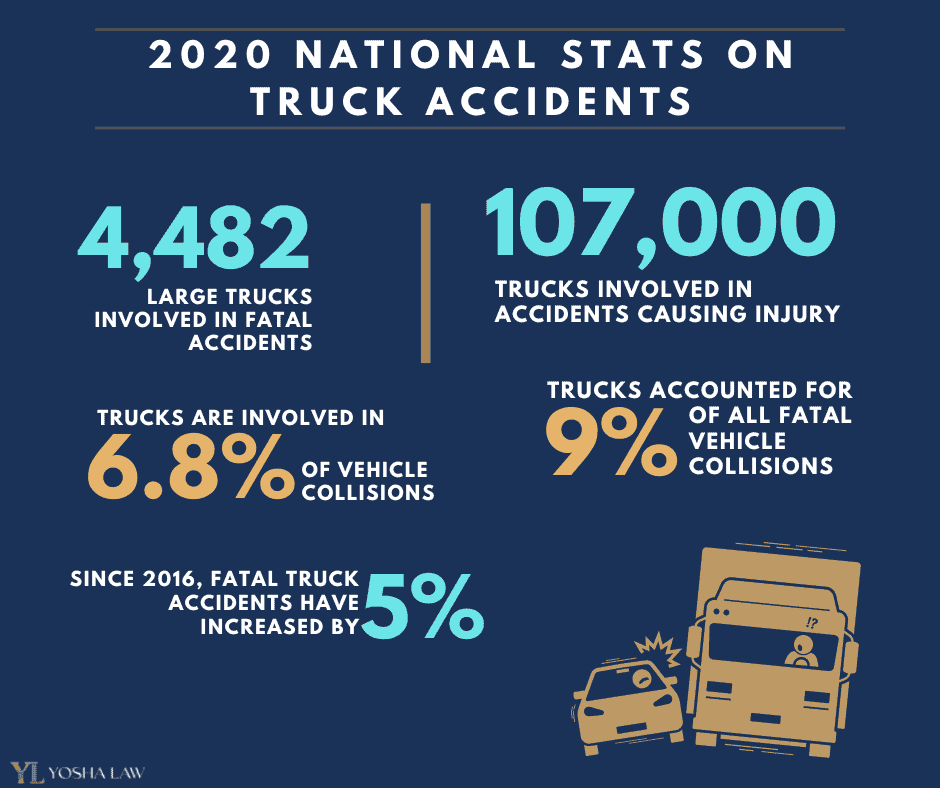
Truck accidents happen all the time in Indiana, and they can be fatal. Learn more about where, when, and how truck accidents occur so you know what you’re up against:
- Of all vehicles involved in Indiana collisions in one year, 3.6% were large trucks speeding. That means there were nearly 11 collisions with speeding trucks every week.
- Of the large trucks involved in speeding accidents in Indiana in one year, 19% resulted in injury.
- 10.4% of all fatal collisions involve large trucks.
- 97% of fatal collisions with commercial vehicles involve large trucks.
- 88% of large trucks involved in fatal collisions were in a multi-vehicle crash.
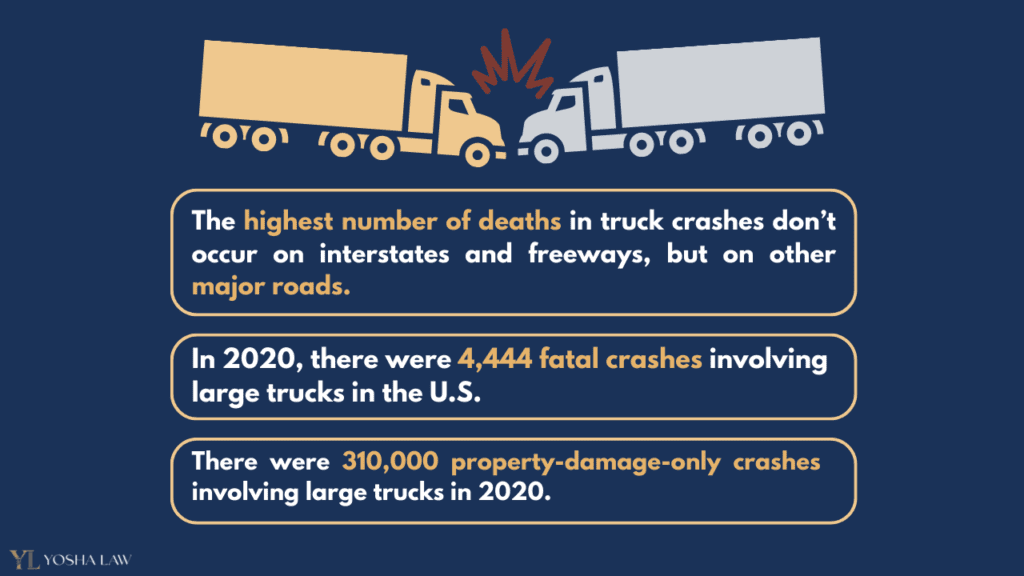
- The highest number of deaths in truck crashes occur on major roads, not interstates and freeways.
- Tuesday, Wednesday, and Thursday are the three days of the week with the most large truck collisions.

Our Indianapolis Truck Accident Lawyers Will Prove Who Was at Fault
In truck accidents, multiple parties can be at fault. Our job is to prove that your injuries were a direct result of negligent actions of one or more of the other parties involved in the crash. Proving another party (the defendant) was liable is crucial for getting you compensation.
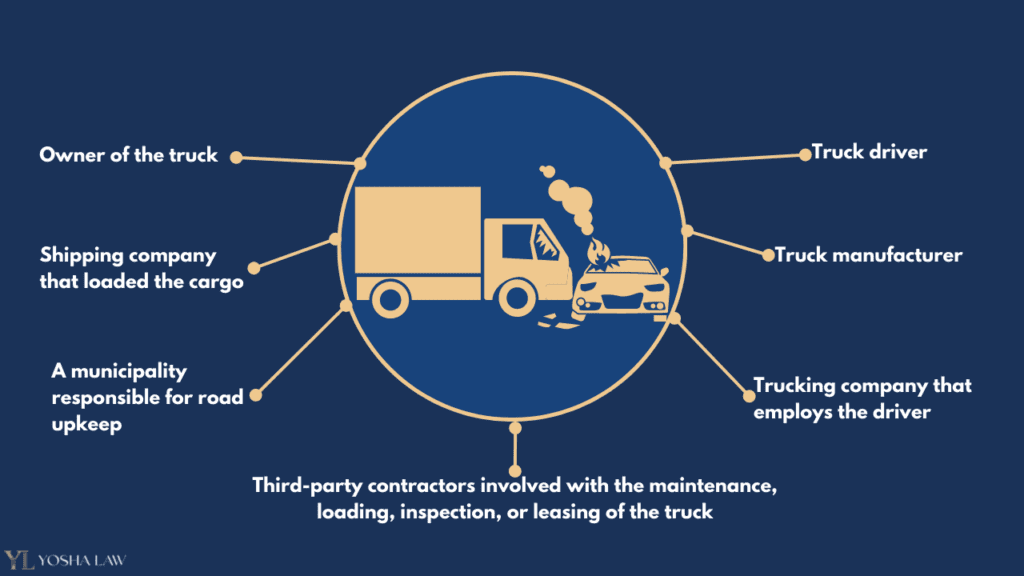
Determining fault in truck accidents is a big task because these collisions tend to be more complex or involve more than two parties. The responsibility for the accident could lie with:
- The truck driver
- The truck manufacturer
- The trucking company that employs the driver
- The owner of the truck
- The shipping company that loaded the cargo
- Any third-party contractors involved with the maintenance, loading, inspection, or leasing of the truck
- A municipality responsible for road upkeep
As you can see, there are several parties to consider and many details to investigate to determine who the fault for the accident belongs with. We collect evidence, track down the liable parties, go through documentation like inspection and maintenance records, and hire experts to provide expert testimony when working to prove the responsible parties are at fault.
How Are Truck Accidents More Severe and Damaging than Car Accidents
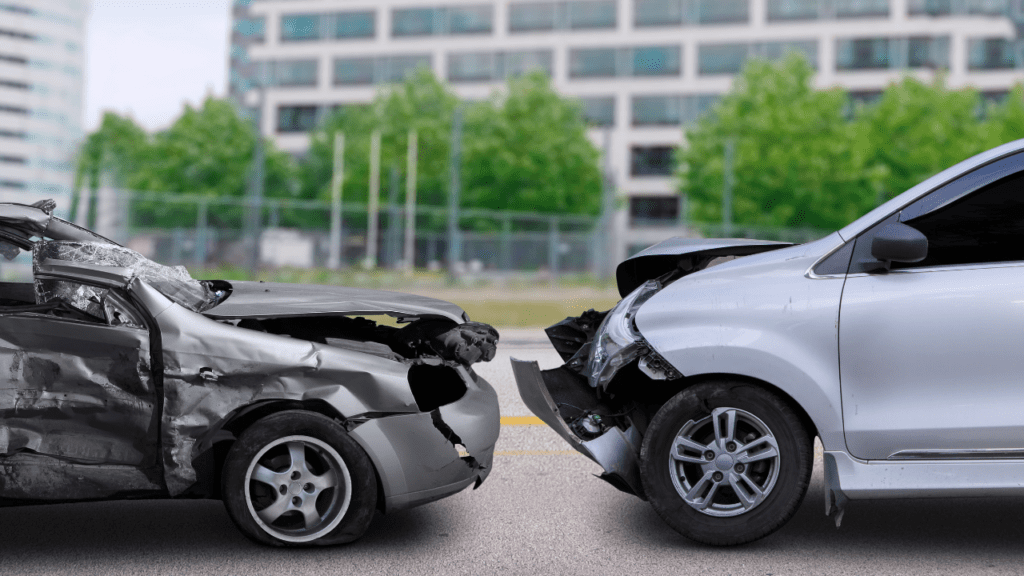
The aftermath of a truck accident tends to be more complicated than that of a regular motor vehicle accident. Typically, the damage and the injuries sustained are much more severe. The major differences between truck accidents and car accidents are:
- Larger and more insurance policies: Trucking companies usually have higher insurance policies to account for the damage they can cause. If there were multiple vehicles involved in the crash, you’ll have to deal with multiple insurance carriers as well.
- Severe injuries: Tractor-trailers can weigh up to 80,000 pounds, whereas passenger vehicles weigh between 3,000 and 4,000 pounds. Brain or head injuries, fractured bones, severe burns, spinal cord injuries, injuries that cause permanent disabilities, and fatalities are more typical of truck accidents.
- More medical bills: More severe injuries result in higher medical bills. You may need one or more surgeries as well as months of physical or occupational therapy to recover — all of which adds up.
- Property damage: The damage to vehicles and tractor-trailers involved in truck collisions can be extensive, costing thousands of dollars for repairs, or even totalling the vehicle.
- Strict trucking regulations: Commercial vehicles are more heavily regulated than regular passenger vehicles. The Federal Motor Carrier Safety Administration (FMCSA) has rules about truck driver training, keeping logbooks, inspections, and more.
You will most likely be in over your head if you try to handle your truck accident claim on your own. There are simply too many factors to consider and too many entities involved for one person to deal with. When you work with our Indianapolis truck collision legal team, you can rely on our experience handling these kinds of accidents.
What Are Indiana’s Commercial Trucking Laws?
Commercial trucks that operate in Indiana must follow state and federal laws that regulate commercial transport. These trucking laws address the size and weight of tractor-trailers, shift limits for drivers, speed limits, lane restrictions, and other important details that help keep all vehicles safe on the road.
Speed Limits and Lane Restrictions
In Indiana, trucks must drive 65 mph on the interstate, whereas passenger cars can drive 70 mph. Commercial trucks must also stay in the right lane when traveling on interstate highways in Indiana, except to pass another vehicle, enter or exit the highway, or avoid a road hazard. On three-lane highways, large trucks can use the two far-right lanes.
Driver Qualifications
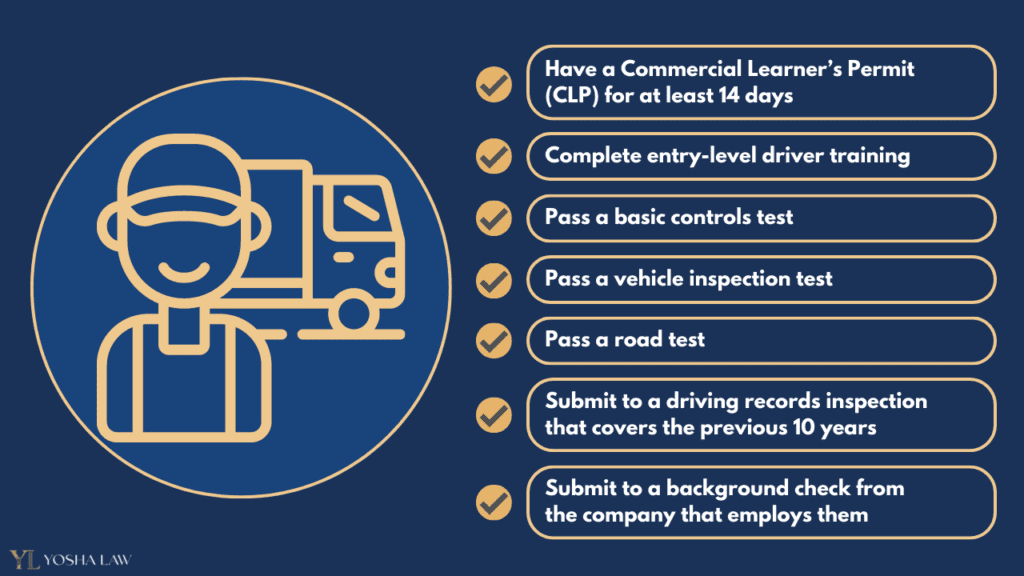
In order to drive a large commercial truck, drivers need a Commercial Driver’s License (CDL). To get a CDL, a driver must:
- Have a Commercial Learner’s Permit (CLP) for at least 14 days
- Complete entry-level driver training
- Pass a basic controls test
- Pass a vehicle inspection test
- Pass a road test
- Submit to a driving records inspection that covers the previous 10 years
- Submit to a background check from the company that employs them
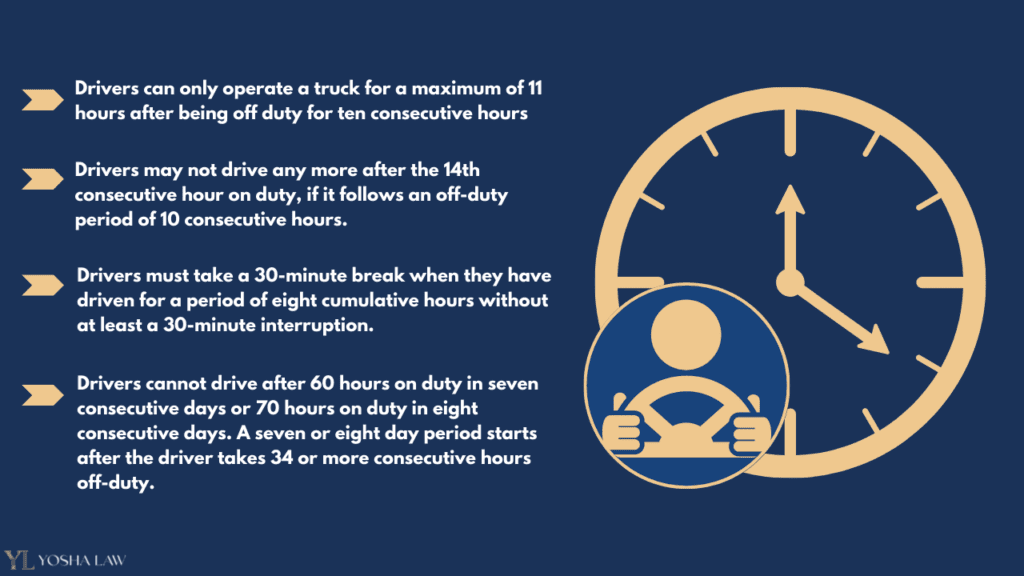
Driving Shift Limits
Fatigued driving is a big issue for truck drivers, so there are laws in place to regulate how often and for how long drivers can operate a commercial truck.
- Drivers can only operate a truck for a maximum of 11 hours after being off duty for ten consecutive hours.
- Drivers may not drive any more after the 14th consecutive hour on duty, if it follows an off-duty period of 10 consecutive hours.
- Drivers must take a 30-minute break when they have driven for a period of eight cumulative hours without at least a 30-minute interruption.
- Drivers cannot drive after 60 hours on duty in seven consecutive days or 70 hours on duty in eight consecutive days. A seven- or eight-day period starts after the driver takes 34 or more consecutive hours off-duty.
Truck Size Requirements
A commercial truck can weigh no more than 80,000 pounds, including the wheels, single axle, tandem axle, and tri-axle. Trucks must also fit within height, width, and length restrictions.

The Damages You Can Recover in a Commercial Vehicle Accident Case
When you’ve suffered serious injuries from a truck accident, your focus is most likely on recovery. You may also wonder, however, how you’re going to pay your mounting medical bills, or for the repairs to your vehicle. You could be entitled to monetary compensation for the damages you’ve suffered, which can help you cover some of the expenses you’ve already incurred and pay for future costs you may have.
The typical damages you can recover from a truck accident case in Indiana are:

Medical bills for treatment, emergency room visits, doctor’s visits, or therapy

Lost wages or benefits if you’ve missed work

Reduced earning potential if you’re unable to work indefinitely

Repairs to your vehicle or vehicle replacement

Pain and suffering

Mental anguish or emotional distress

Loss of companionship

Loss of enjoyment of life

Other accident-related expenses
Our truck accident attorneys can calculate what damages you may be entitled to recover by looking at your medical bills, pay stubs, and other documentation related to your accident. Our goal is getting you a reasonable settlement that covers these damages and helps you reclaim some of what you’ve lost in the accident.
FAQs: Indianapolis Truck Accident Lawyer
Can I sue the trucking company if the driver was an independent contractor?
Often, yes. Courts look at how much control the carrier actually had over the driver’s schedule, routes, and equipment, and if that control resembles an employment relationship, the carrier can still be held responsible despite the contractor label.
What if the truck involved was owned by a leasing company, not the carrier?
Federal regulations often place liability on the carrier operating under its own authority at the time of the crash, regardless of who technically owns the truck or trailer. Identifying the operating carrier is one of the first steps in figuring out who to pursue.
Does it matter if the trucking company is based outside Indiana?
Not for where you can file. A lawsuit can generally proceed in Indiana if the crash happened here, even when the carrier is headquartered in another state, though it can affect how depositions and document requests get handled.
What if a family member died in a truck accident?
Indiana law allows a wrongful death claim to be filed in these tragic cases, and the damages calculation shifts to cover lost financial support, funeral expenses, and the loss experienced by surviving family members. These cases carry their own deadlines and evidence needs, so early legal involvement matters just as much here.
If you’re a truck driver who was injured in a recent accident, our legal team can determine what the cause of the accident really was and if you can receive compensation for your damages.
Can I still recover money if I was partly at fault for the crash?
Yes, as long as your share of fault is 50% or less under Indiana’s comparative fault law. Your recovery gets reduced by your percentage of fault, but it isn’t eliminated unless you’re found more than half responsible.
How is a truck accident settlement different from a car accident settlement?
Truck accident settlements tend to be higher because the injuries are often more severe and the available insurance coverage is larger, with federal minimums for general freight carriers starting at $750,000. The evidence involved, including black box and ELD data, also gives these cases a different kind of proof than a typical two-car crash.