
After the accident, you told everyone you were “fine.” You walked away with just bumps and bruises, or so you thought. But in the days and weeks since, something has felt wrong.
You have a headache that won’t go away. You feel foggy, irritable, and not quite yourself. These are potential signs of mild traumatic brain injury, and the word “mild” is dangerously misleading.
Insurance companies want you to believe these symptoms are just stress. They will try to convince you to settle your claim quickly before the true, long-term impact of a brain injury becomes clear.
Ignoring these warning signs not only puts your health at risk, but it also jeopardizes your right to fight for the fair compensation you need for a recovery that may be far more complex than you realize.
Reading the warning signs
- The term “mild” traumatic brain injury (mTBI) refers to the initial presentation of the injury, not its long-term severity or impact on your life.
- Symptoms of a mild TBI are often delayed, appearing hours or even days after the initial accident, and can be physical, cognitive, and emotional.
- Insurance companies aggressively fight TBI claims by arguing the symptoms are unrelated to the accident, making immediate medical documentation essential.
- A proper diagnosis from a neurologist or TBI specialist is the most powerful evidence you have to prove your injury and counter the insurer’s tactics.
“Mild” in Mild Traumatic Brain Injury
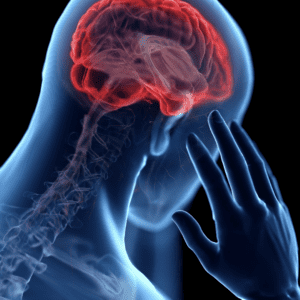 The medical community uses the term “mild” traumatic brain injury (mTBI) or “concussion” to describe a head injury that does not initially appear to be life-threatening.
This classification is often based on the fact that you did not lose consciousness for a long period. This medical term is one of the most misunderstood and misused phrases in personal injury law.
Why the term “mild” is deceiving
An insurance adjuster will seize on the word “mild” to argue that your injury is insignificant. They will suggest it should heal in a few weeks and offer a small settlement to close your case.
This ignores the reality that a “mild” TBI can cause debilitating, long-term symptoms that affect your ability to work, your relationships, and your quality of life. The impact is anything but mild.
The science behind a concussion
A concussion occurs when a sudden impact or jolt, like in a car crash or a fall, causes your brain to rush inside your skull. According to the Centers for Disease Control and Prevention (CDC), this movement can cause the brain to bounce or twist, stretching and damaging brain cells and creating chemical changes.
You do not need to be knocked unconscious to suffer a serious, life-altering concussion.
Physical Signs of Mild Traumatic Brain Injury to Watch For
The most immediate signs of an mTBI are often physical. While a headache is the most common symptom, it is the persistence and character of the pain that matters. Do not dismiss these physical feelings as simply the after-effects of a collision. They are your body’s way of telling you that your brain has been injured.
The persistent headache and sensory issues
A headache after an accident is expected. A headache that lingers for days, worsens with concentration, or feels like a constant pressure is a red flag. Many people with an mTBI also develop a new sensitivity to light and sound. Bright lights in a grocery store or the normal volume of a television may become unbearable.
Dizziness, fatigue, and sleep disturbances
Feeling dizzy, off-balance, or having a sense of vertigo are common physical signs of a concussion. This may be accompanied by an overwhelming sense of fatigue that is not relieved by rest. Your sleep patterns might also change drastically. Some people find they cannot sleep, while others feel the need to sleep constantly.
Cognitive and Mental Symptoms You Cannot Ignore
The invisible nature of a mild TBI makes its cognitive symptoms particularly frustrating. You may look fine on the outside, but you feel like you are operating in a fog. These mental challenges can be frightening and can have a profound impact on your ability to perform your job and manage your daily life.
The feeling of “brain fog” and memory problems
“Brain fog” is a common term used to describe the feeling of being mentally slow or hazy. You might struggle to recall conversations, forget appointments, or have trouble finding the right words.
Short-term memory is often significantly affected, making it difficult to learn new information or follow multi-step instructions.
Difficulty concentrating and completing tasks
A concussion can make it nearly impossible to focus. You may find yourself reading the same paragraph over and over or getting easily distracted from a task. This difficulty with concentration can make work feel overwhelming and can lead to mistakes that are uncharacteristic for you.
An attorney works to document how these cognitive shifts impact your career and finances. A lawyer will gather evidence to show how these specific mental challenges affect your daily life.
This includes documenting difficulties such as:
- An inability to focus during important work meetings.
- Struggling to remember new procedures or training materials.
- Taking significantly longer to complete routine tasks.
- Forgetting important dates, appointments, or conversations.
- Feeling mentally exhausted after short periods of concentration.
This detailed evidence is necessary to demonstrate the real-world financial impact of a “mild” TBI when an insurance company tries to dismiss your struggles.
Emotional and mood changes after a head injury
A brain injury does not just affect your body and your thoughts; it can fundamentally change your personality and emotional responses. These changes can be deeply unsettling for you and your loved ones.
It is important to recognize that these are not character flaws; they are legitimate symptoms of a physical injury to your brain.
Unexplained irritability and anxiety
You might find yourself having a short temper or getting easily agitated over small things. This uncharacteristic irritability can strain relationships with family, friends, and coworkers. Many people also develop a new sense of anxiety or nervousness that they never experienced before the accident.
Depression and sudden mood swings
Feelings of sadness, hopelessness, and a loss of interest in activities you once enjoyed are common signs of post-concussion depression. Your mood may swing unpredictably, leaving you feeling emotionally volatile and out of control. These are not signs of weakness; they are neurological symptoms that require medical attention.
Why you must seek a medical diagnosis
Self-diagnosing a brain injury is a dangerous mistake. You must seek a professional medical evaluation to protect your health and your legal rights. An insurance company will not take your claim seriously without a formal diagnosis from a qualified medical provider.
Neurological evaluations
Your family doctor is a good starting point, but you may need to see a neurologist or a specialist in traumatic brain injuries. These doctors can perform specific tests to assess your cognitive function, balance, and other neurological indicators. This evaluation provides the objective medical evidence needed to prove your injury exists.
Creating a Medical Record for Your Claim
 Every doctor’s visit, test result, and prescribed treatment creates a paper trail. This medical record becomes the foundation of your personal injury claim. It officially documents the onset of your symptoms and links them directly to the accident. Without this record, the insurance company will argue your problems are unrelated to the crash.
How a mild TBI affects your personal injury claim
Proving an “invisible” injury like an mTBI is one of the most challenging aspects of personal injury law. Insurance companies have a specific playbook they use to fight these claims, and you need an experienced personal injury lawyer who knows how to counter it.
Documenting long-term effects and future costs
A mild TBI can require ongoing treatment, including cognitive therapy, physical therapy, and counseling. It may also affect your ability to earn a living in the long term.
An attorney works with medical and vocational professionals to project these future costs and build a case that demands compensation for the lifetime impact of the injury.
The legal process for a TBI claim requires a detailed and strategic approach. An attorney handles this complex work so you can focus on healing.
This involves several key actions taken on your behalf:
- Hiring medical professionals to provide testimony about your long-term prognosis.
- Engaging financial professionals to calculate your future lost income and medical expenses.
- Gathering testimony from family and coworkers about the changes they have observed in you.
- Compiling all medical records into a comprehensive demand package for the insurer.
This methodical preparation is what forces an insurance company to see the true value of your claim and negotiate in good faith.
The insurance company’s playbook for TBI claims
The insurer will start by arguing you never lost consciousness, so you could not have a brain injury. They will then point to any delay in your seeking treatment as “proof” that the accident did not cause your symptoms.
Finally, they will scour your past medical records for any history of anxiety, depression, or headaches to claim your problems are all pre-existing. An experienced traumatic brain injury attorney knows how to dismantle each of these arguments with facts and medical evidence.
Don’t Use AI Chatbots for Medical or Legal Guidance
An AI program can list concussion symptoms, but it cannot understand the nuances of your personal medical history or the specific laws in Indiana that apply to your case. Using an AI for advice on a serious medical issue or a complex legal claim is a recipe for disaster. Always consult with qualified human professionals who can provide personalized guidance.
FAQ for Signs of Mild Traumatic Brain Injury
How long do symptoms of a mild TBI last?
The recovery timeline varies for everyone. Some people recover in a few weeks, while others suffer from post-concussion syndrome, where symptoms can last for months or even years. This is why you should never accept an early settlement offer.
What if I didn’t hit my head in the accident?
You do not have to have direct impact to your head to sustain a concussion. The violent whiplash motion of a car crash is enough to cause your brain to strike the inside of your skull, causing a serious traumatic brain injury.
Can I still have a TBI if my CT scan or MRI was normal?
Yes. Standard imaging like CT scans and MRIs are designed to detect structural problems like bleeding or a skull fracture. They cannot detect the microscopic damage to brain cells that occurs in a mild TBI. A normal scan does not mean you do not have a brain injury.
What should I tell my doctor about my symptoms?
Be completely honest and detailed. Do not downplay your symptoms or leave anything out. Tell your doctor about your headaches, your memory problems, your irritability, and your sleep issues. Every detail you provide helps them make an accurate diagnosis and helps your attorney build a stronger case.
Your Battle for Health and Justice
 The driver who caused your injury has an insurance company with one goal: to pay you as little as possible. They will try to dismiss your pain, question your character, and deny the reality of your brain injury. You do not have to let them bully you into silence.
At Yosha Law, we are your battle-tested allies. We understand the science behind traumatic brain injuries and the tactics insurers use to fight these claims. We have more jury verdicts than any firm in Indiana because we are not afraid to take the fight to a jury to demand full and total justice for our clients.
If you are suffering from the signs of a mild traumatic brain injury after an accident in Indianapolis, Fort Wayne, South Bend, or anywhere in Indiana, call us 24/7 at (317) 751-2856 for a free case evaluation. Let us fight for the resources you need to heal. We don’t rest until justice is served.